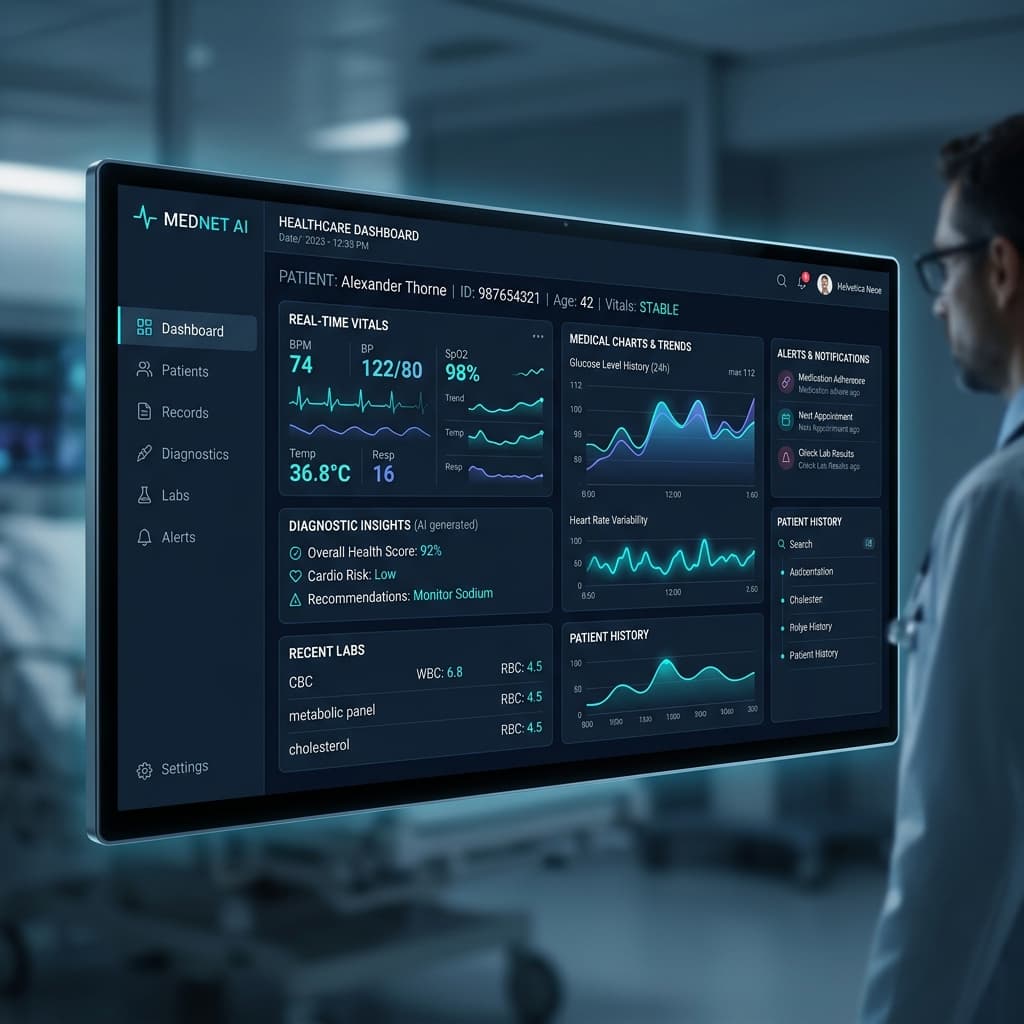
Key Takeaways
- ✓Centralize patient communications and logs within a healthcare CRM system
- ✓Maintain a consistent relationship after visits via automated lifecycles
- ✓Ensure strict HIPAA standards and encrypted data to establish patient confidence
Healthcare success today is no longer defined only by treatments and outcomes. It is also defined by how well healthcare organizations manage their relationships with patients over time. Patients expect continuous communication, personalized care, and seamless access to healthcare services. However, many clinics still rely on fragmented systems that make it difficult to maintain strong patient connections after visits.
This is where patient relationship management becomes essential. It helps healthcare providers move beyond one-time interactions and build long-term, trust-based relationships with patients using technology, automation, and data-driven engagement strategies.
In this guide, we will break down what patient relationship management is, why it matters, and how healthcare organizations can use it to improve retention, satisfaction, and growth.
What Is Patient Relationship Management?
Patient relationship management refers to the strategies, systems, and technologies used by healthcare organizations to manage ongoing relationships with patients across their entire care journey. Instead of treating healthcare as a single visit, it focuses on building a continuous relationship before, during, and after treatment. Key components include healthcare CRM systems, patient engagement platforms, automated communication tools, data-driven patient insights, and follow-up structures.
Why Patient Relationship Management Matters in Healthcare
1. Improves Patient Retention
Retaining existing patients is far more cost-effective than acquiring new ones. Structured relationship management dramatically improves patient loyalty.
2. Builds Long-Term Trust
Outreaching to patients after visits with recovery updates and check-ins shows patient support and care.
3. Enhances Revenue Stability
Providing convenient follow-ups and check-ups creates predictable, recurring appointment slots.
4. Improves Clinical Outcomes
Engaged patients communicate symptoms earlier, follow medication instructions, and adhere to recovery timelines.
1. Centralized Patient Data Systems (Healthcare CRM)
A specialized healthcare CRM aggregates patient records, history, appointment logs, and past communications in one secure file. This allows clinical staff to customize messaging and follow-ups based on real clinical history.
2. Automated Patient Communication Systems
Replacing manual reminder calls with automated scheduling software, prescription alerts, and check-up notifications boosts consistency and saves clinical labor.
3. Personalized Patient Engagement
Tailoring notifications based on health history (e.g. specialized recovery reminders for surgical groups or diet tips for diabetes care) keeps communications relevant.
4. Patient Portals for Continuous Interaction
Portals act as a continuous touchpoint, giving patients secure access to their medical records, diagnostic results, schedules, and communication channels 24/7.
5. AI-Powered Patient Engagement Tools
AI chatbots help clinics manage inbound requests by answering patient questions, routing to correct departments, and booking appointments automatically.
6. Telemedicine for Continuous Care
Telemedicine tools extend care beyond physical visits, allowing chronic disease patients or post-surgery cases to consult doctors conveniently.
7. Data-Driven Patient Insights
Analytics engines highlight booking drop-offs, track patient communication habits, and help identify patients at risk of missing follow-up appointments.
8. Mobile Healthcare Applications
A dedicated mobile application provides convenient access to schedule, pay bills, download reports, and interact with the clinic right from a smartphone.
9. Healthcare Automation for Lifecycle Management
Lifelong relationships require periodic outreach. Automating check-up prompts, vaccination notices, and annual check-ups maintains active patient lifecycles.
10. Security and Trust in Patient Relationship Management
Security establishes confidence. Ensure all data files are encrypted, implement secure authorizations, and enforce strict HIPAA-compliant protocols.
Healthcare Use Cases
Hospitals
Integrated CRM software, tracking patient histories across multi-specialty departments, and coordinating post-discharge follow-ups.
Clinics
Enabling text reminders, telemedicine follow-up channels, and feedback collections.
Dental Practices
Tracking cleaning intervals, check-up recall prompts, and patient dental education templates.
Medical Startups
SaaS CRM solutions, patient onboarding tools, and automated communication dashboards.
Common Challenges in Patient Relationship Management
- Fragmented systems: Disconnected scheduling, medical, and billing setups cause clinical errors.
- Lack of automation: Staff manually dialing patients for check-ups limits clinic capacity.
- Inconsistent messaging: Sending generic outreach without clinical history details reduces trust.
How Med Clinic X Helps Healthcare Organizations
Med Clinic X builds custom patient relationship management technology—integrating clinical CRM setups, secure portals, telemedicine, scheduling widgets, and automation features—to support clinic retention and growth.
Relationship Consultation
Book a Healthcare Technology Consultation and discover how Med Clinic X can build secure digital ecosystems and improve patient relationship management.
Written by Chloe Vance
Healthcare Marketing DirectorChloe Vance has led search engine optimization and digital patient acquisition strategies for top pediatric, dental, and multi-specialty clinical chains.
Connect on LinkedInAI-Generated Questions & Answers
Common conversational queries evaluated by our natural language models concerning deployment guidelines.